How to Style Open Kitchen Shelves Without Clutter
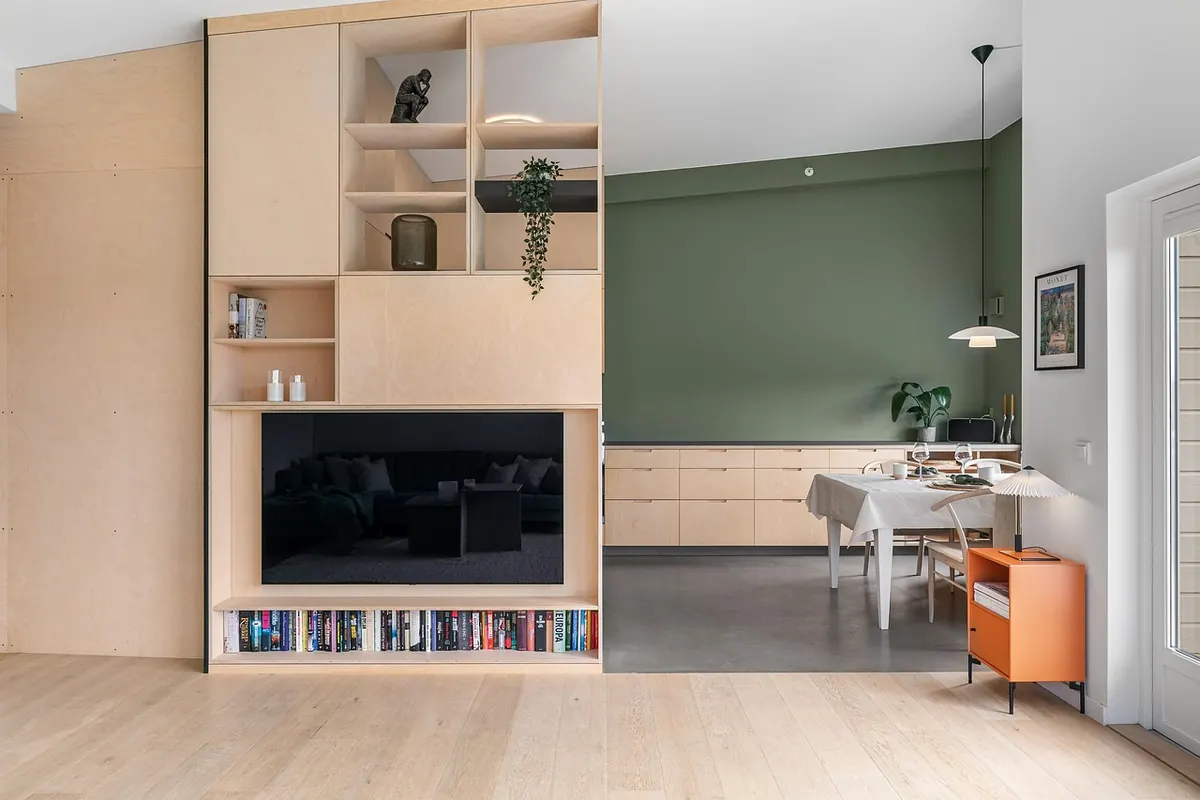
Open shelves are a promise and a problem. They show off the things you actually use and love, and — left to their own devices — they collect everything you don't know where else to put. A shelf that looks styled rather than stuffed usually follows a few quiet rules, and most of them are about restraint rather than shopping. Whether you have one narrow row above the kettle or a wall of oak brackets in a kitchen diner, the same approach works: decide what belongs there, arrange it in groups, and leave enough bare wood or painted wall for the eye to rest.
Start With What the Shelves Are Actually For
Before you move a single jar, work out the job each shelf is doing. A shelf holding the mugs, plates and spices you reach for twice a day is a working shelf, and it will never look like a styled display — nor should it. A shelf two rows higher, out of easy reach, is a display shelf. Treat them differently.
In most kitchens, three types of shelf appear:
- Working shelves at arm's height, holding daily crockery, oils, salt, tea and coffee.
- Storage shelves higher up, for spare glasses, less-used dishes and serving bowls.
- Display shelves at eye level or on a side wall, where plants, prints and a couple of good objects live.
Once each shelf has a role, the clutter question often answers itself. A good share of the mess on open shelving is simply things sitting where they don't belong — a stack of paperwork on a mug shelf, or a blender parked on a shelf meant for display.
Arrange in Groups, Not Rows
A row of identical items running end to end reads as a shop display. Groups read as a home. Aim for clusters of three to five objects with a clear gap between each cluster — roughly the width of your open hand.
- Keep groups to odd numbers where you can: three jars, five mugs, or one bowl with two small pots beside it.
- Put the tallest item at the outer end of a group, then step down in height.
- Leave at least a third of every shelf empty. The gaps do as much work as the objects.
- Repeat one material or colour across the shelf — three touches of white ceramic, say — so separate groups feel related.
- Stack flat things such as plates, bowls and boards, and stand tall things such as jars, bottles and frames. Mixing both directions keeps the eye moving.
Everyday Items That Look Good Out in the Open
The trick with practical items is to make them look deliberate. Decanting dry goods into jars is the classic move, and it works — but only when the contents stay obvious and the jars are a similar size. Write the name on the base or lid with a chalk pen instead of leaving a torn packet on show.
Mugs look best in twos and threes, either stacked in short towers or hung from small hooks under the shelf above. Cookbooks work in a short row of three or four, leaning slightly, with one lying flat and something small on top — a bowl, a candle, a jar of utensils. Chopping boards leaned against the wall add warmth, but keep it to two or three; a whole collection looks like a shop.
For anything you use daily but don't want to look at — foil, cling film, vitamins, tea bags in battered boxes — use a lidded basket or a plain tin. You keep the access and lose the noise.
Add Plants for Softness and Life
Plants are the quickest way to stop open shelving feeling hard. Trailing varieties such as pothos, string of hearts or a small spider plant soften the straight lines of a shelf, especially when they sit at the end of a run and spill downwards. Herbs — basil, mint, rosemary, thyme — earn their place twice over because you can cook with them.
Keeping them looking well
Most kitchen herbs want several hours of decent daylight, so keep them within about 30cm of a window or under a shelf light. Small pots dry out quickly; check the compost every couple of days rather than watering to a fixed schedule. Always stand pots on a saucer or a waterproof liner. And avoid the shelf directly above or beside the hob — steam, heat and airborne grease will shorten a plant's life and make the shelf harder to clean.
Artwork, Objects and a Bit of Personality
A kitchen shelf is a good home for art, provided you treat it as one piece rather than a gallery wall. Lean one or two small framed prints against the wall instead of filling every gap. Mix materials: something framed, something ceramic, something natural such as a wooden bowl or a smooth stone. One personal thing — a postcard, a photograph, a small object brought back from a trip — does more than five generic ornaments.
If the shelves sit above a worktop you use constantly, keep paper and prints on the upper row, out of splash range. Grease and steam are unkind to them.
Tame Colour, Texture and Visual Weight
Clutter is often a colour problem in disguise. Two or three colours plus a neutral is easy to hold together: white, wood and black; or cream, brass and green. If you love strong colour, choose one and repeat it in small doses — a striped mug, a painted pot, a book spine — rather than spreading five hues along a single shelf.
Texture absorbs visual noise. Woven baskets, linen tea towels, unglazed ceramics and bare wood break up the shine of glass and metal, and make a shelf look calmer even when it holds exactly the same number of things.
The Ten-Minute Reset
Open shelves need a little maintenance, and pretending otherwise only leads to frustration. Once a week — before a shop, or while the kettle boils — clear one shelf, wipe it, and put back only what you have used in the last seven days. Keep a box or basket in a cupboard for anything that doesn't make the cut, and rotate it back in when you fancy a change.
Two or three times a year, swap things around: move the plants, shift the framed print, bring out a different set of bowls. A shelf that changes with the seasons stays interesting without needing more stuff on it. The aim isn't a perfect display. It's shelving that holds what you use, shows a little of who you are, and still lets the kitchen breathe.
Photo: 23555986 / Pixabay